
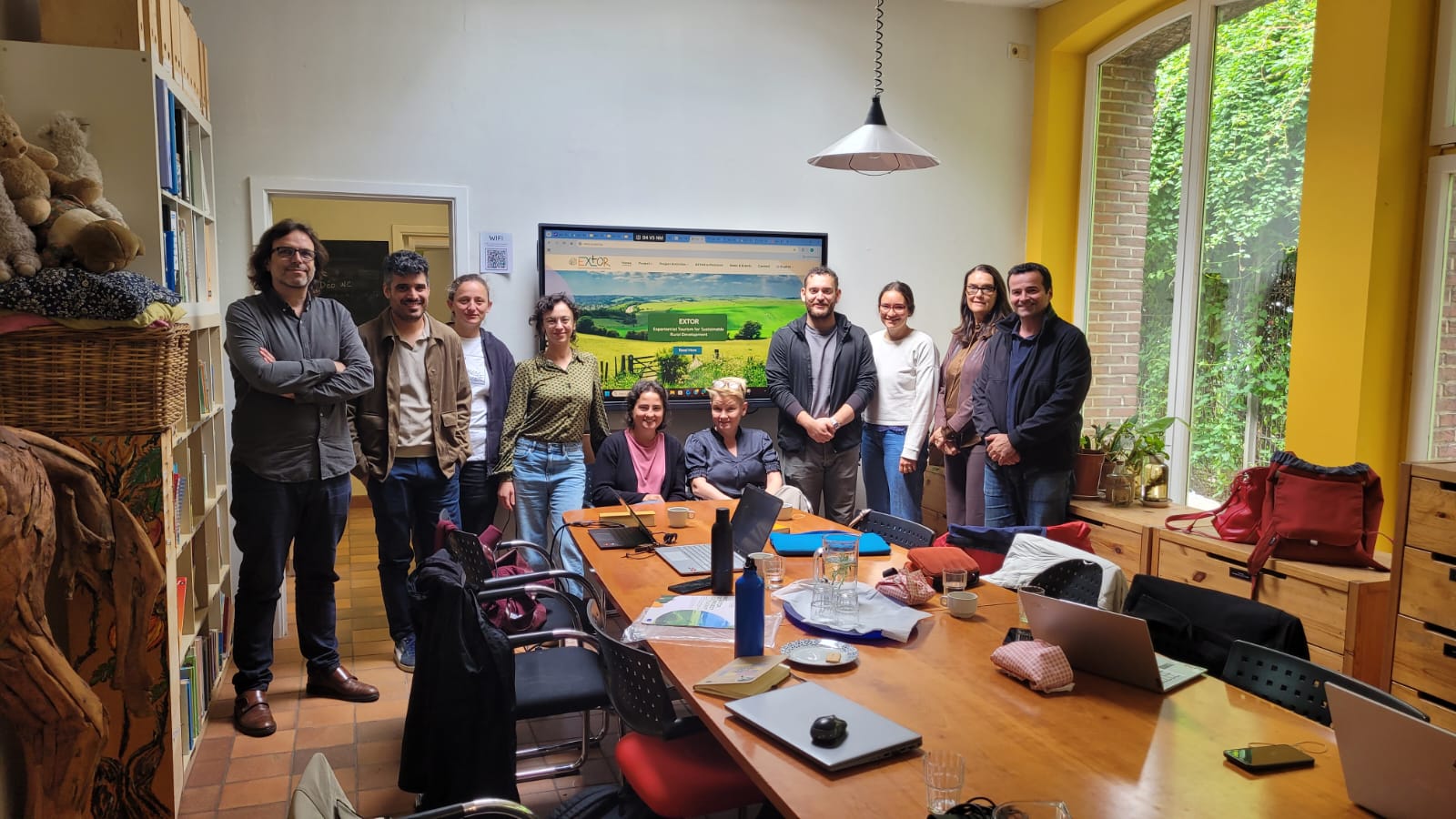
On 10 and 11 June, Brussels hosted the final international event of the Erasmus+ project EXTOR – Experiential Tourism for Sustainable Rural Development, an important opportunity for exchange among European partners, local stakeholders, and tourism professionals committed to promoting a more sustainable, inclusive, and community-based tourism model.
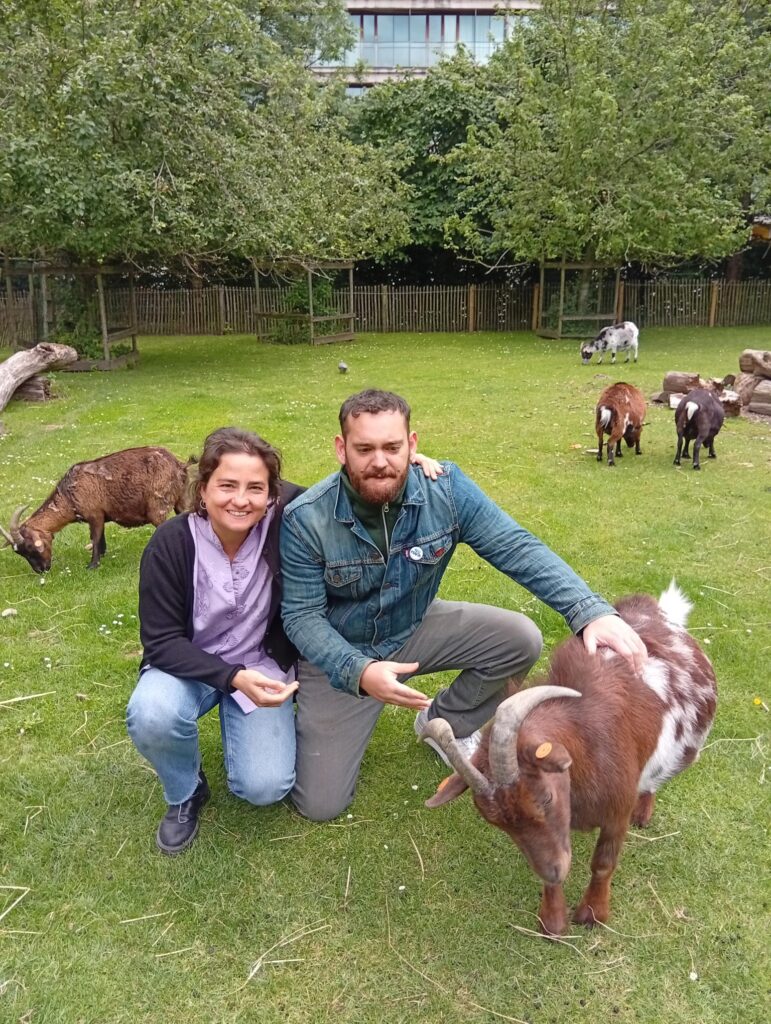
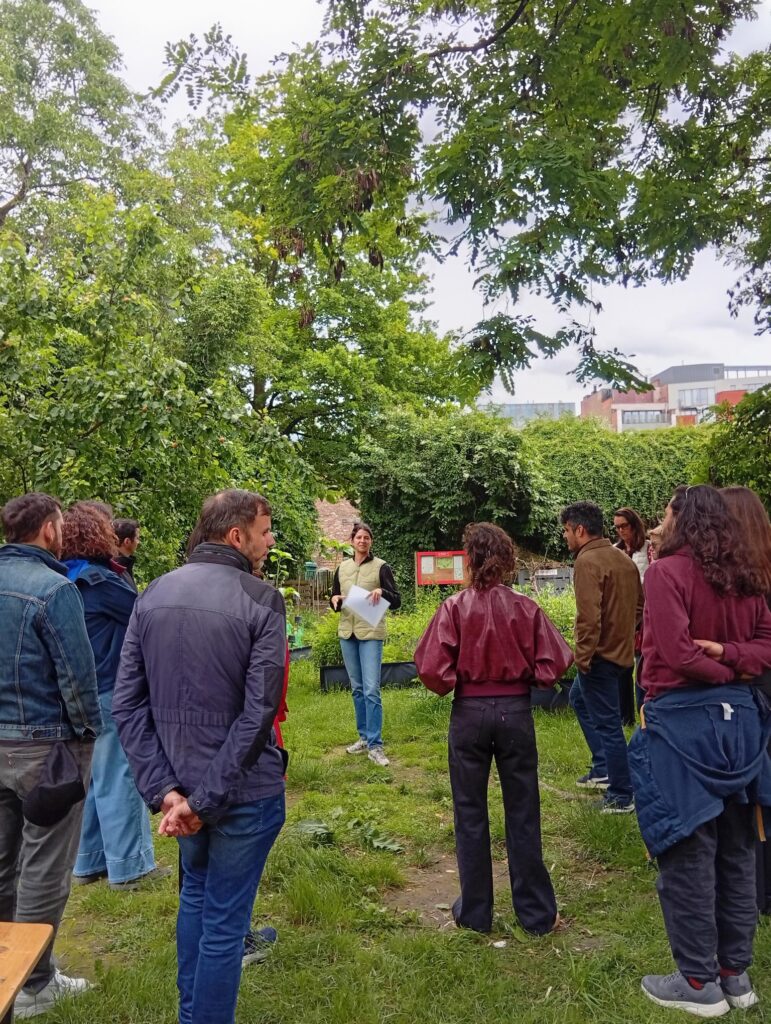
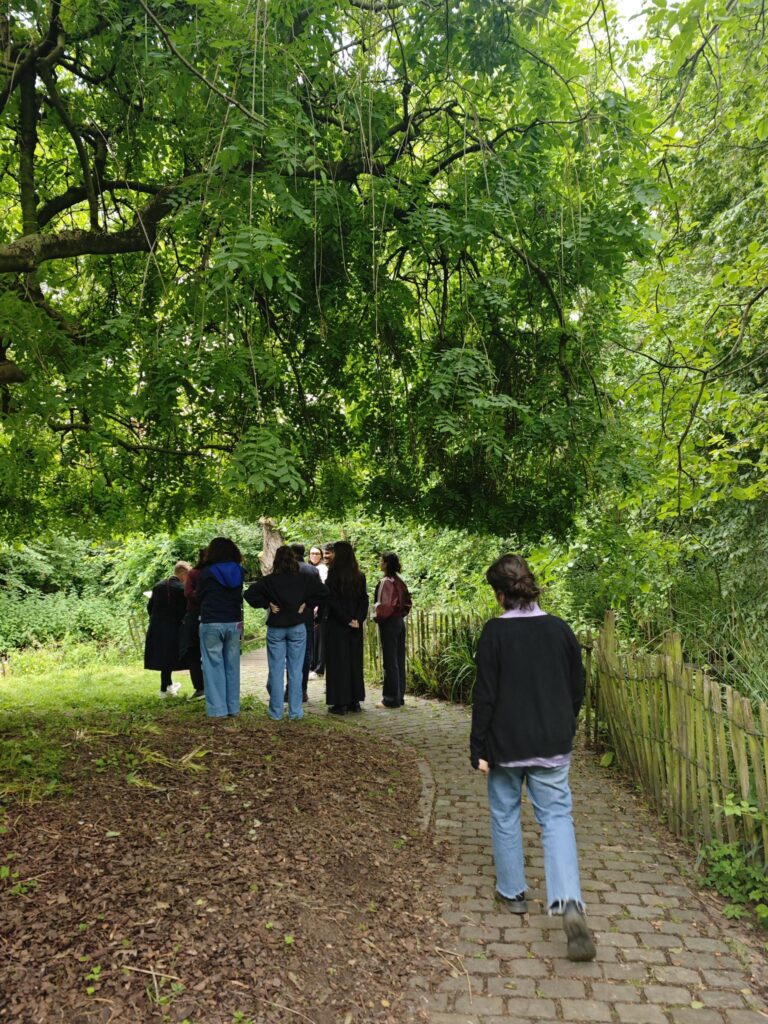
The activities took place at La Ferme du Parc Maximilien, a symbolic venue that perfectly reflects the project's core values: sustainability, participation, and social innovation.
A year of shared results
The first day was dedicated to the internal work of the partnership and the review of the results achieved across the different Work Packages. Partners presented the activities carried out, the objectives achieved, and the impact indicators developed throughout the project.
As project coordinator, LAND Social Enterprise led the discussions on overall project monitoring, activity evaluation, and preparation for the final reporting phase. Project partners presented the progress made in updating the interactive maps, collecting European success stories, developing e-learning training materials, and implementing networking and dissemination activities.
Particular attention was given to the growth of the EXTOR Community, the expansion of the training platform, and the development of practical tools to ensure the sustainability of project outcomes beyond the project's completion.
You can continue to be part of the EXTOR community by accessing the platform here.
An International fair of ideas, experiences and good practices
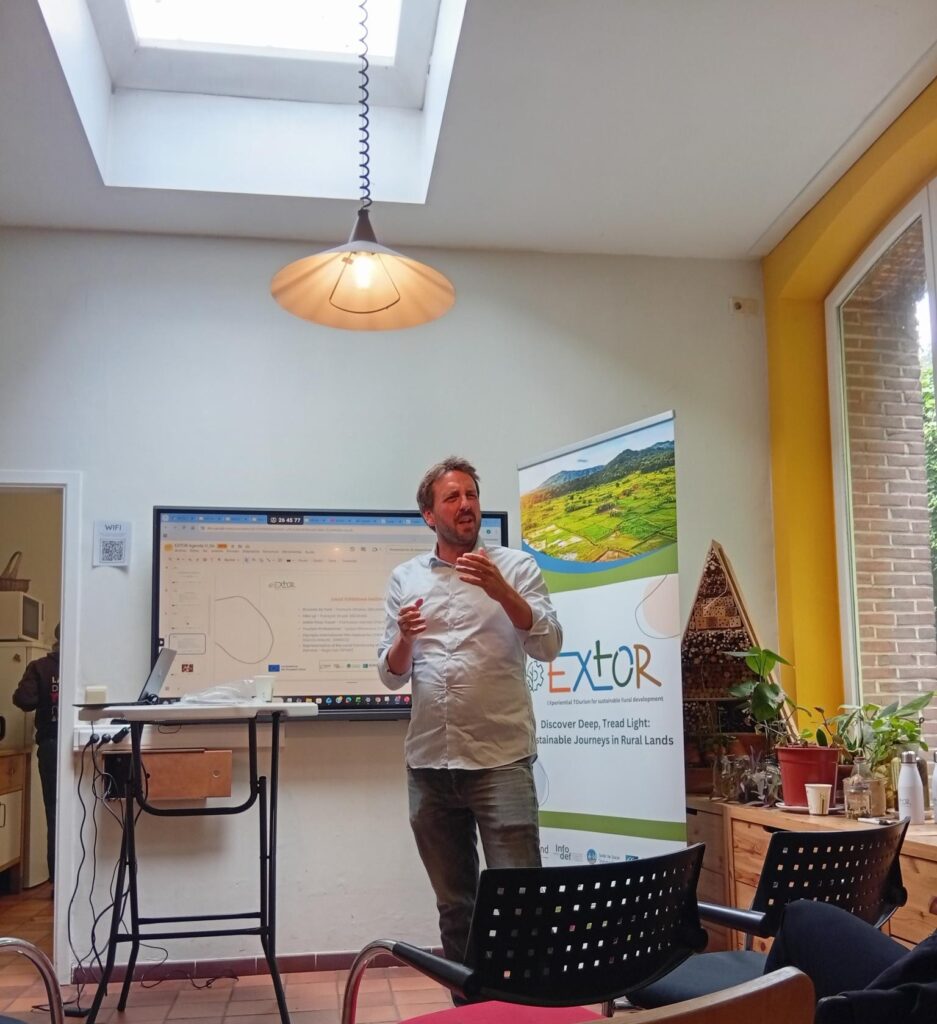
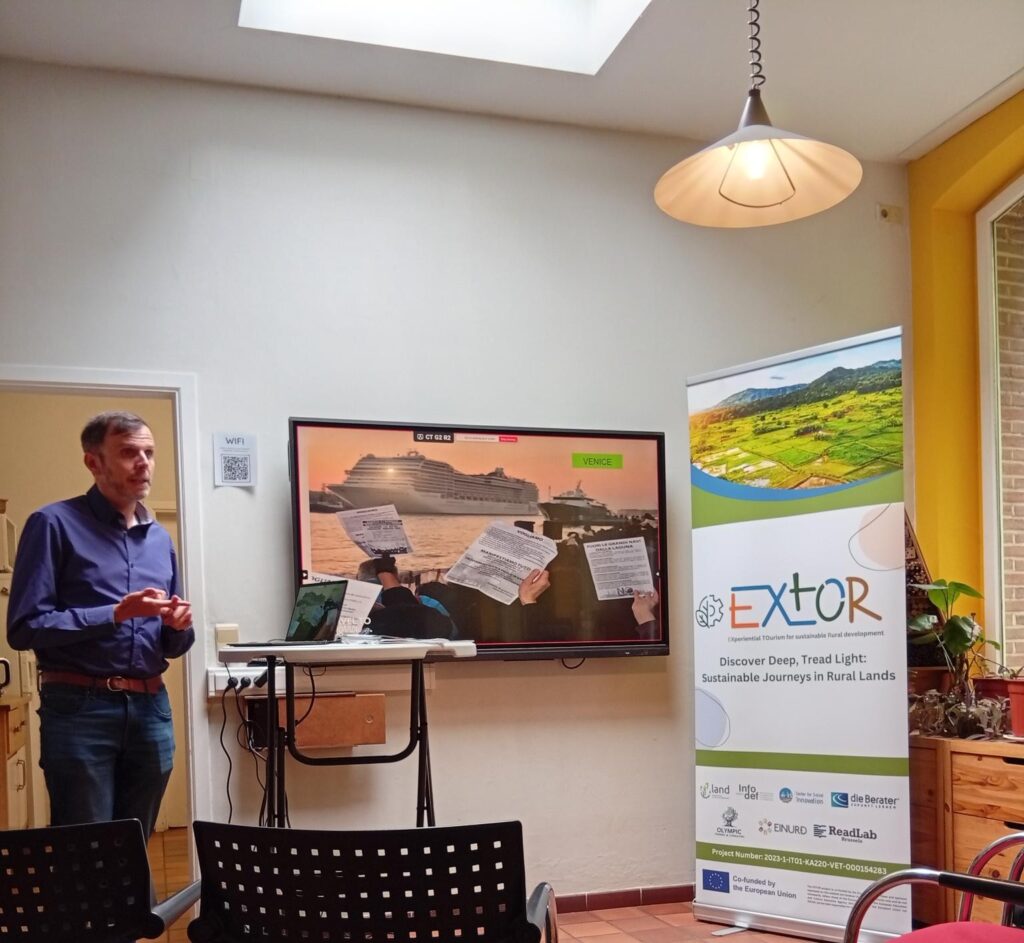
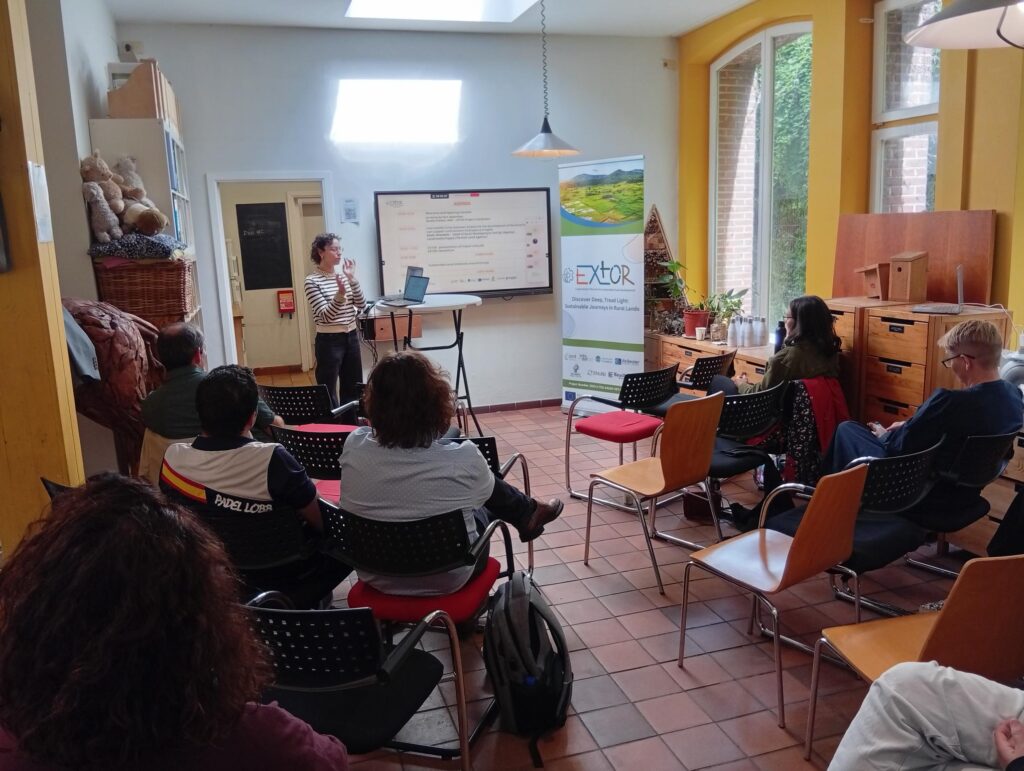
The second day opened its doors to the public and local stakeholders through the International Local Fair, creating a valuable opportunity for dialogue between the EXTOR project and organisations across Europe that are experimenting with innovative models of place-based tourism.
Following the opening remarks and presentations on the opportunities offered by the LEADER programme for rural tourism development, project partners showcased the main results achieved: mapping training needs in rural tourism, collecting European best practices, designing innovative vocational education and training (VET) pathways, and building local networks capable of fostering sustainable territorial development.
Testimonials that bring territories to life
One of the most significant moments of the event was undoubtedly the session dedicated to testimonials from different European countries.
The experiences presented by Brussels By Foot and Hike Up demonstrated how tourism can become a powerful tool for authentic place discovery and for enhancing the value of local communities.
Particularly noteworthy was the contribution of Francesca Vannini from Addiopizzo Travel, a local project partner and representative of one of the most innovative responsible tourism initiatives in Europe. Through her testimony, Francesca illustrated how tourism can become a driver of social change by promoting legality, active citizenship, and sustainable economic development.
The experience of Addiopizzo Travel provided a concrete example of how travel can go beyond simply visiting a destination, becoming an opportunity to connect with people, ethical businesses, and organisations that work every day to build a better future for their communities.
The contributions from Cyprus, Greece, and Spain further enriched the discussion, highlighting common challenges and shared opportunities for European rural tourism. In particular, in Spain, the tools and good practices developed within the EXTOR project will be used to support the revitalisation and mobilisation of the residents of Casaseca de Campeán, a village affected by depopulation that is now home to only 88 inhabitants.
Looking towards the future
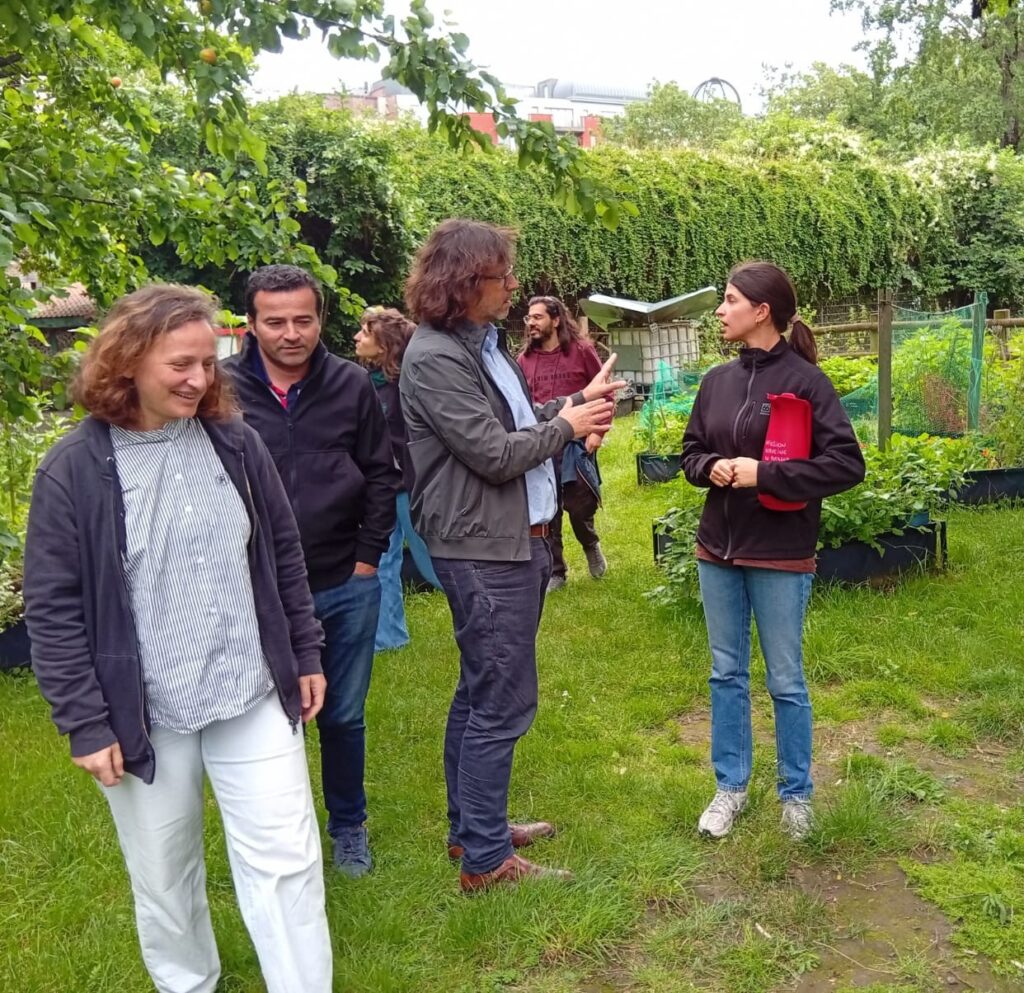
The guided visit to La Ferme du Parc Maximilien and the final reflections on the future of sustainable tourism provided further insights into the role that local communities can play in creating more resilient and inclusive destinations.
The final keynote speech, delivered by Willem De Graeve from the Hub Policy, Strategy and Business Planning of the Travel to Tomorrow Network, reinforced a key message that emerged throughout both days: sustainable tourism is built through collaboration between people, organisations, and territories.
Brussels therefore represented not only the concluding milestone of an intensive project journey, but also a starting point for new collaborations and future actions capable of generating value in rural areas across Europe.
The EXTOR project continues to demonstrate how innovation in vocational education and training, international networking, and the empowerment of local communities can make a concrete contribution to the development of a more sustainable, experiential, and participatory tourism sector.





EXTOR – Experiential tourism for sustainable rural development is cofunded by INAPP – National Agency for Erasmus+ born from the collaboration of several organisations:
- LAND Impresa Sociale (coordinator, Italy)
- INFODEF (Spain)
- DieBerater (Austria)
- Einurd (Iceland)
- CSI – Center for Social Innovation (Cyprus)
- OTC – Olypic Training & Consulting (Greece)
- CANDIDE (Belgium)
For further information about EXTOR, contact Aurelia Schera: aurelia.schera@impresasocialeland.org.