

Why do we talk about “nature” in the third person?
Why do we say “nature” as if it were something far away from us? As if it were a place to go, and not something we are.
We tend to see more “nature” in a natural park offering organized hiking tours—with guides and well-designed signs—than on the edge of a highway, where four wildflowers grow with no particularly appealing colors. With no one calling them an “experience.” And yet, those flowers persist. And in that tiny, almost invisible gesture, there is a huge lesson.
If we feel external to it, how can we truly regenerate? How can we want to create new activities to regenerate our environments if we keep feeling like external agents?
If we think of nature as something to protect out there, as if we were always and inevitably “other”: observers, managers, consumers, visitors.
Jane Bennett says it in Vibrant Matter – A Political Ecology of Things (2023):
a concept of agency that goes beyond human dominance would lead us to cultivate more responsible and ecologically sustainable policies. Policies not aimed at spreading guilt or condemning people, but rather devoted to understanding the network of forces that shape situations and events.
In other words: we don’t need to feel guilty. We need to feel part of it.
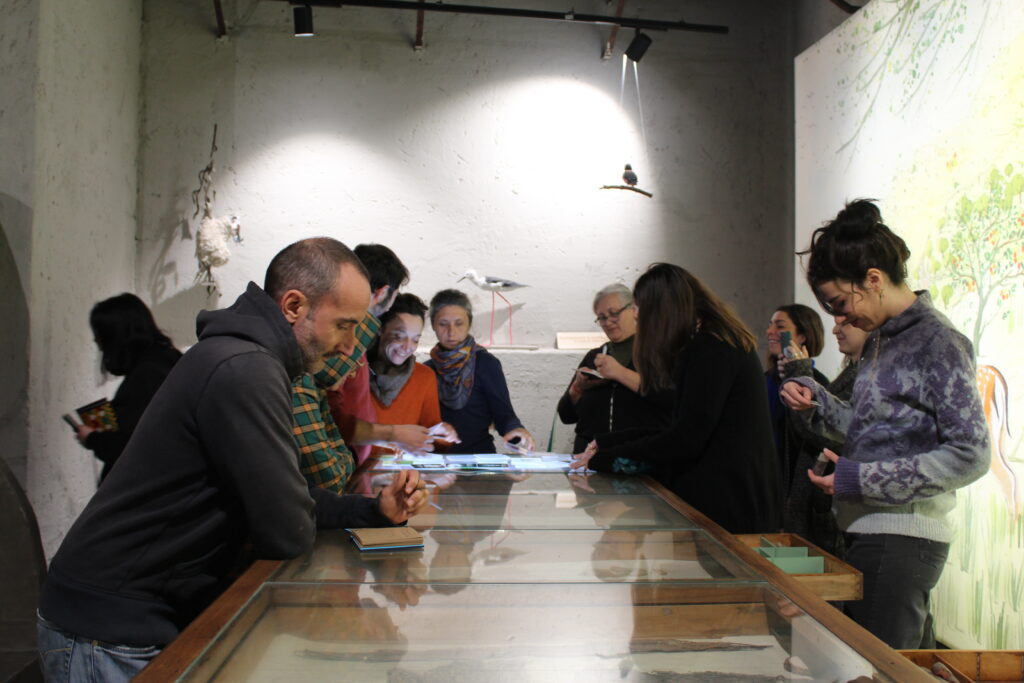
A Day at Radici - Museum of Nature
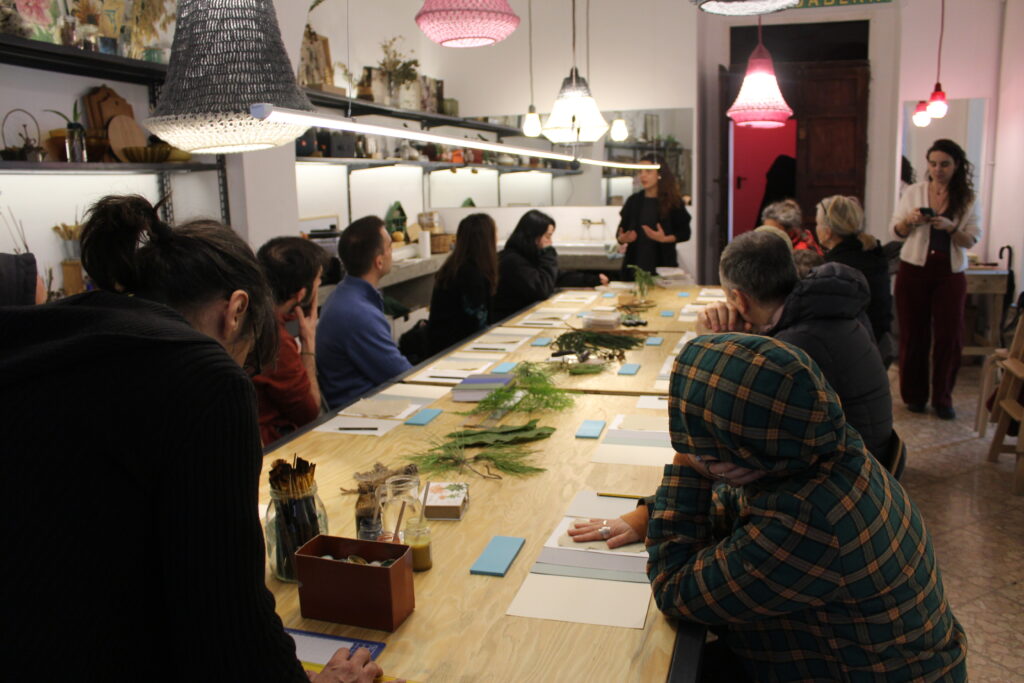
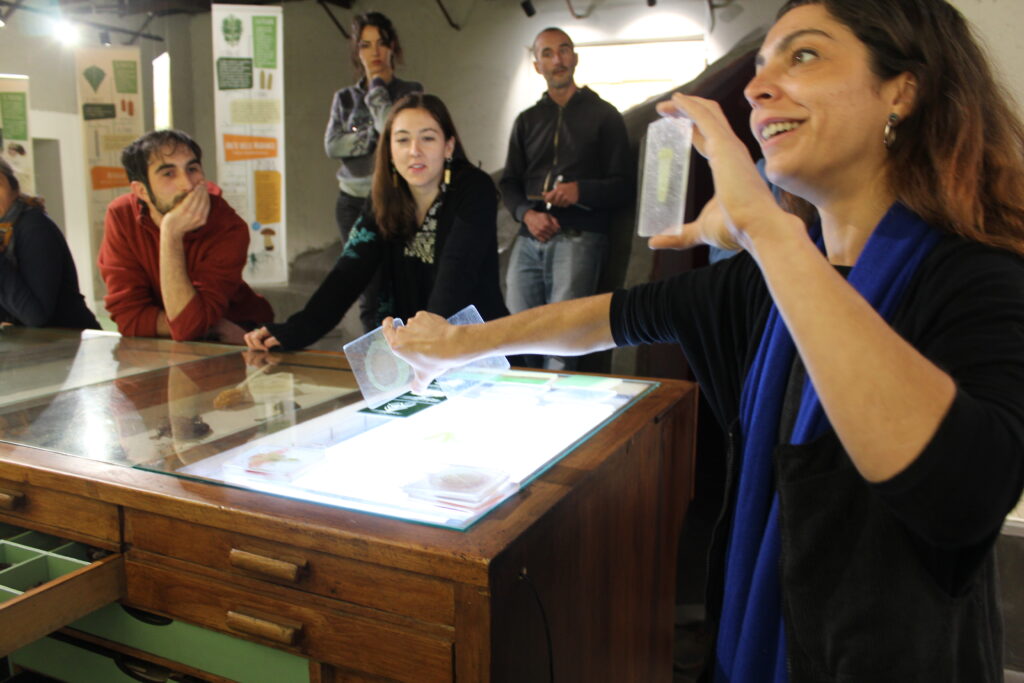
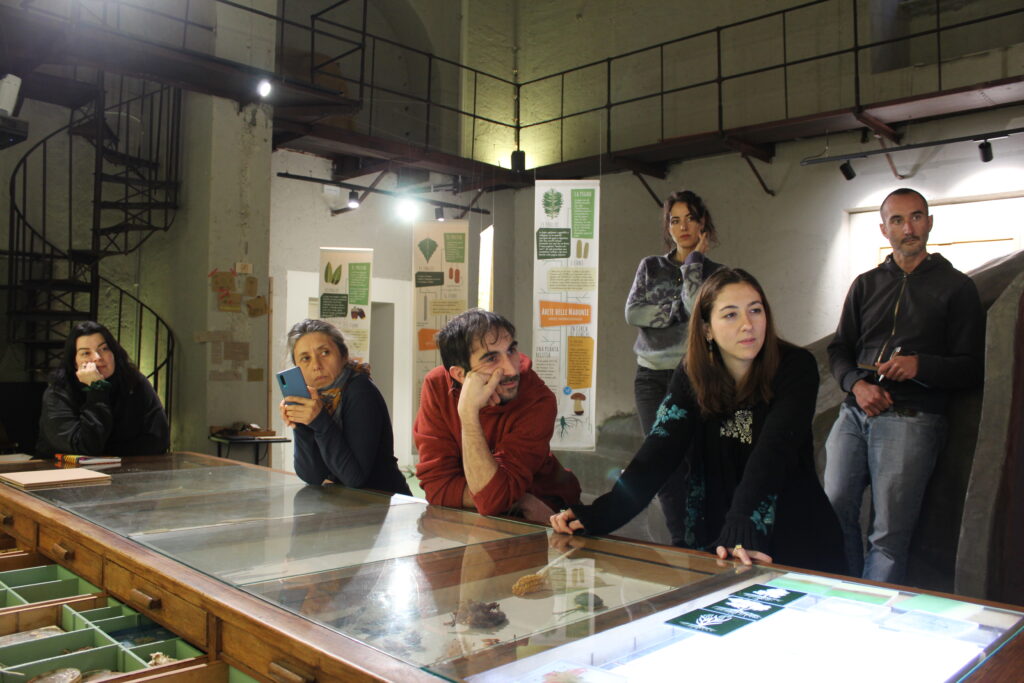
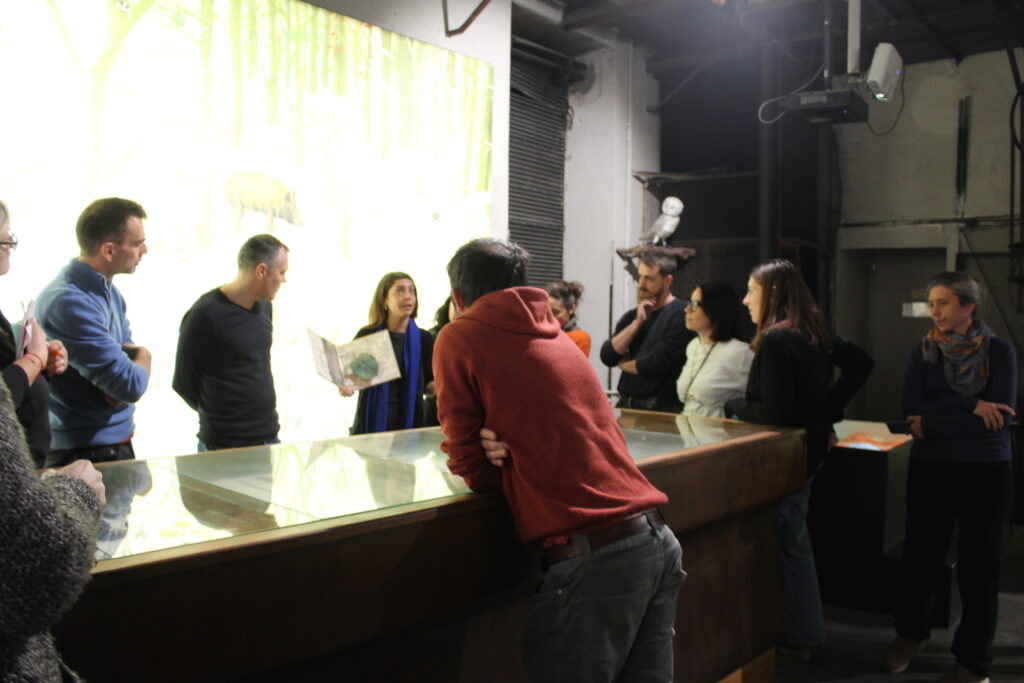
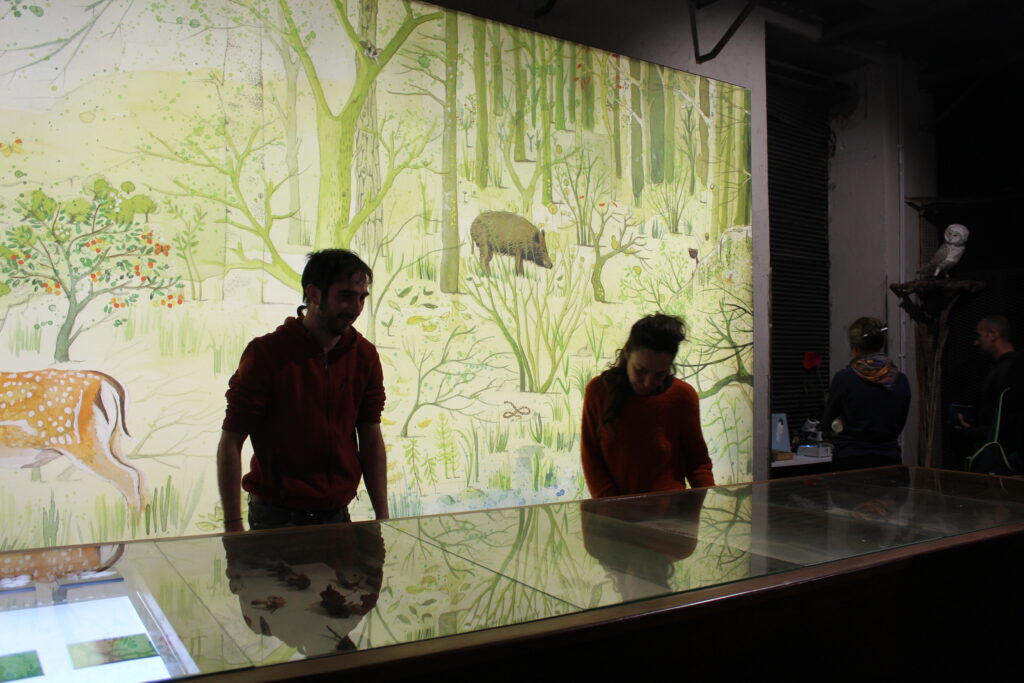
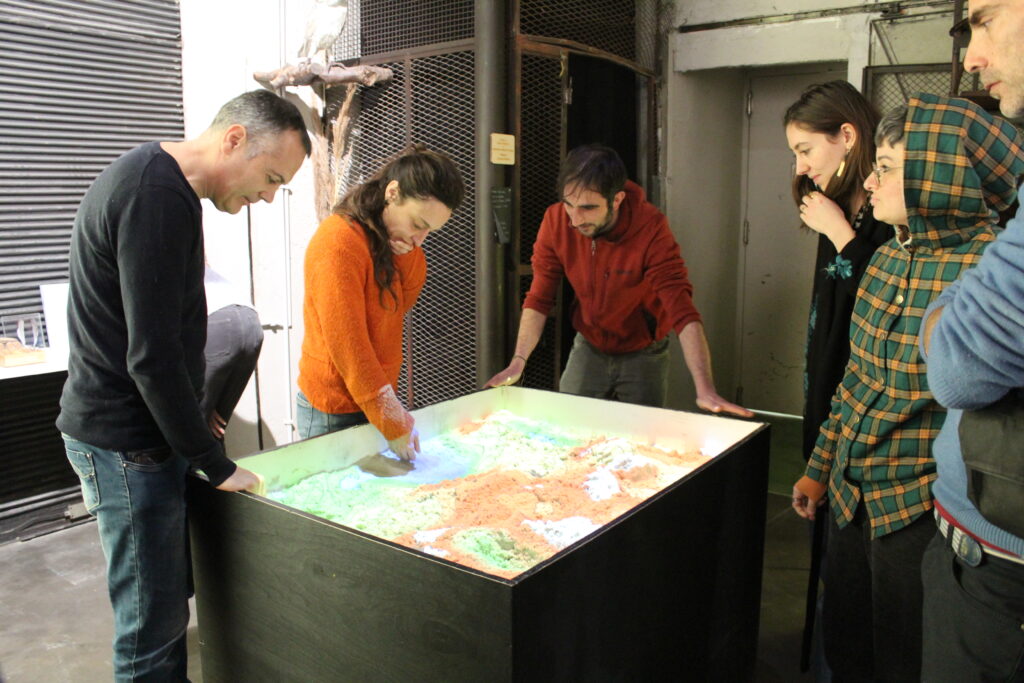
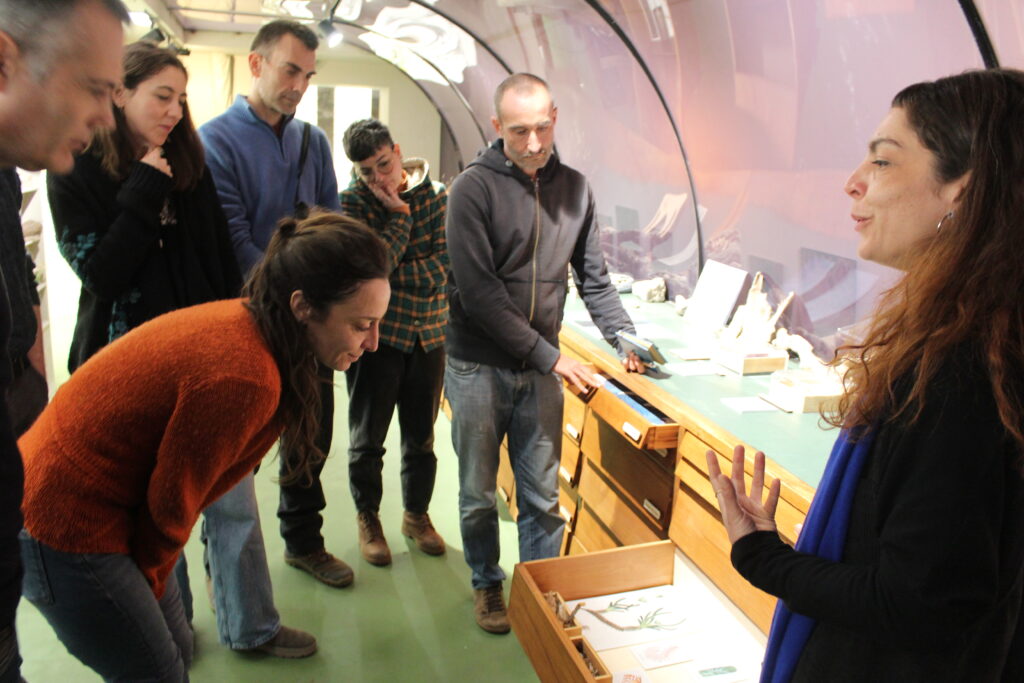
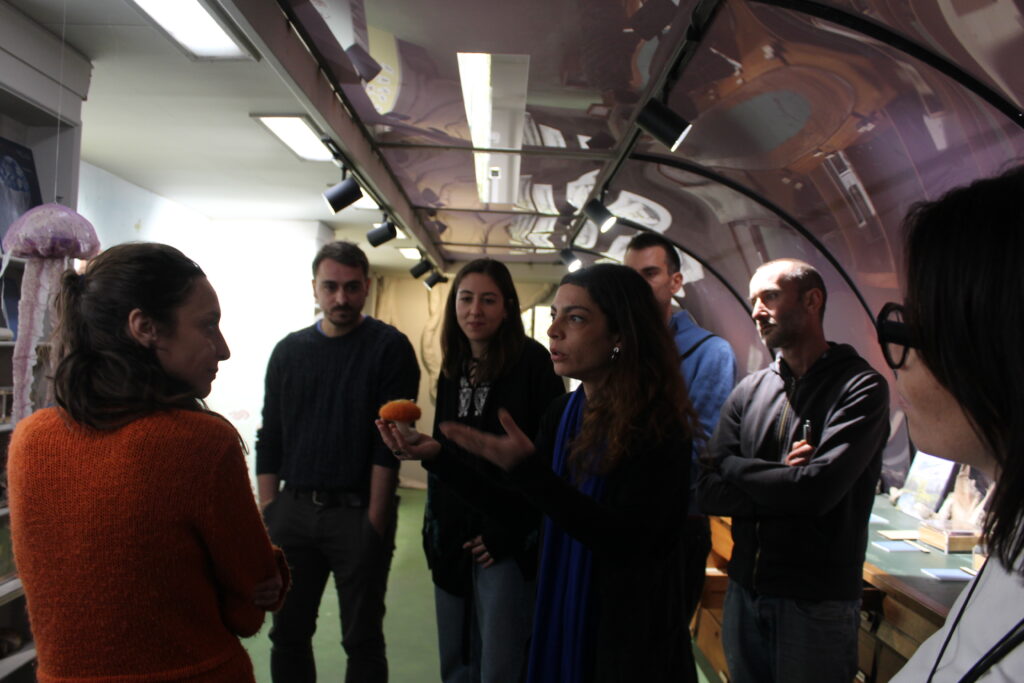
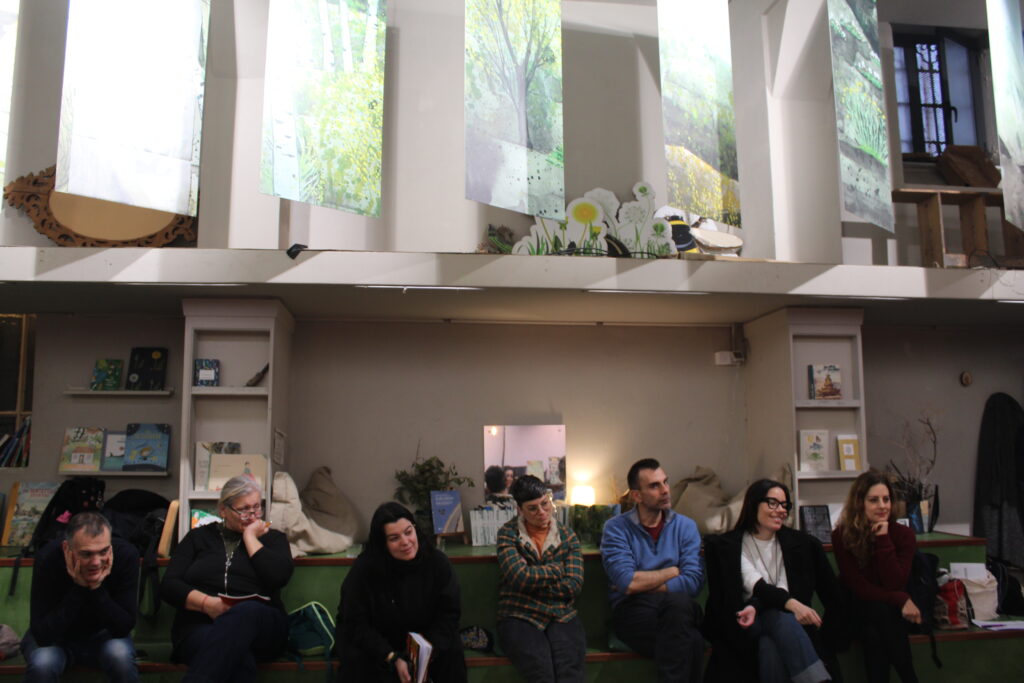
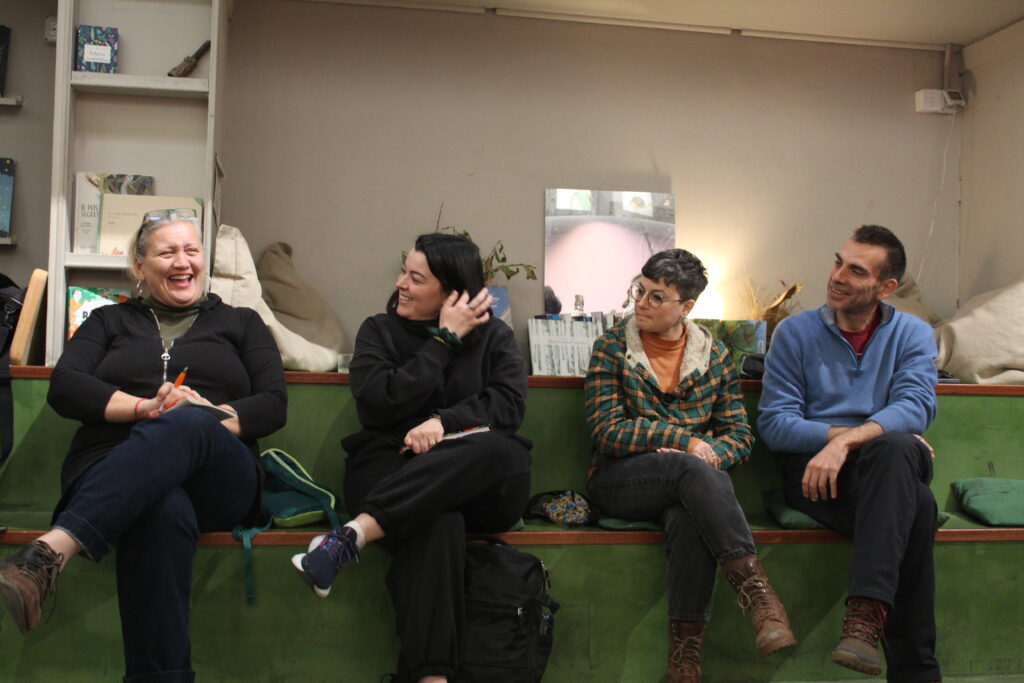
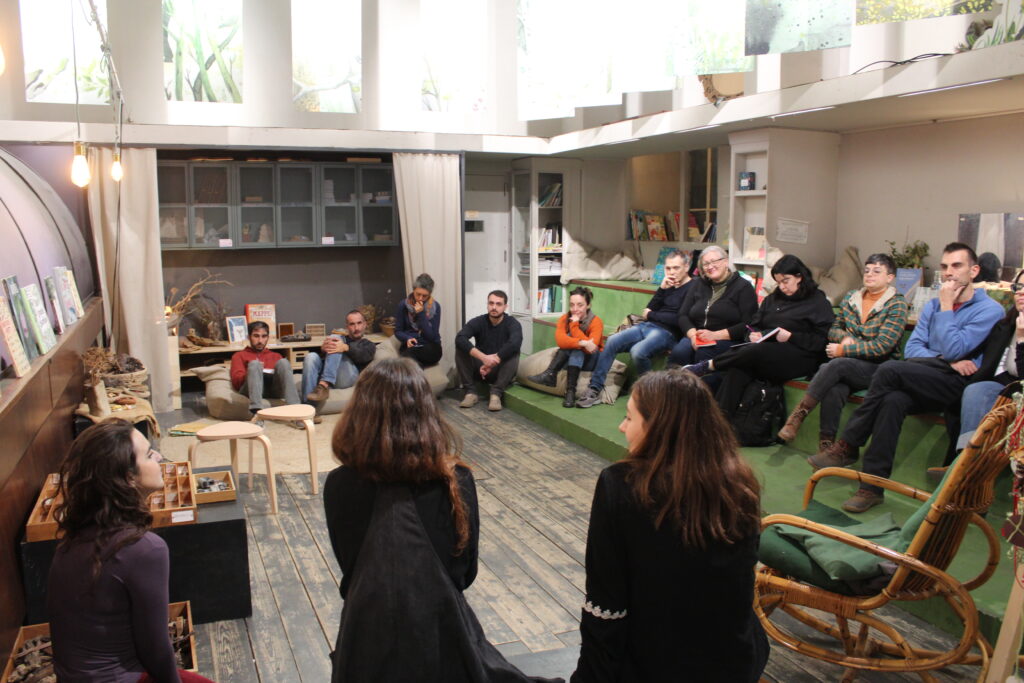
To explore these reflections further, the students of Ecoprise spent an entire day at Radici - Museum of Nature. And the name already says a lot: Radici—Roots. Not just a place to visit, but a space that reminds you where you come from. Radici is a reality created by a team of four women: Raffaella Quattrocchi, Caterina Strafalaci, Chicca Cosentino, and Irene Mottareale. Each with her own personal and professional path, all of them wanting to offer something more to the city of Palermo. Not simply a museum, but a living laboratory, a meeting point, a place where regeneration is discussed in all its forms—social, urban, cultural, educational.
A place that tries to do something simple and revolutionary: reconnect children and adults with nature, and help them understand that they too are nature.
Not “close to” nature. Not “friends of” nature. Not “defenders of” nature. Nature.
Permaculture: Not Theory, But Daily Practice
Within Radici there is a way of being in the world that strongly echoes the principles of permaculture—and you can feel it in concrete choices. Radici creates spaces where consumption is not mandatory. Where value is not born from purchasing, but from encounter. Where work and human dignity are made visible. Where sharing, community, and innovation matter. And this is a form of regeneration we often forget: not only soil, plants, biodiversity—but also relationships, time, and trust.
Discovering Radici’s entrepreneurial opportunity helped participants reflect on their own personal projects. And this is where things become truly interesting, because the dreams that emerged (or grew) within Ecoprise are diverse, concrete, and above all… full of meaning.
Among the projects shared were: sustainable beekeeping businesses, eco-villages with permaculture and independent agricultural activities, artisanal Sicilian dessert workshops, eco-somatic pathways for physical and mental health, CSA (Community Supported Agriculture) models with strong educational value, agricultural startups, and a multifunctional center designed to care for health professionals through eco-somatic residential experiences.
All of these projects were born or strengthened within the Ecoprise course. And their creators came together during two days of best-practice presentations in the city of Palermo, to find inspiration. Not competitively, but generatively.
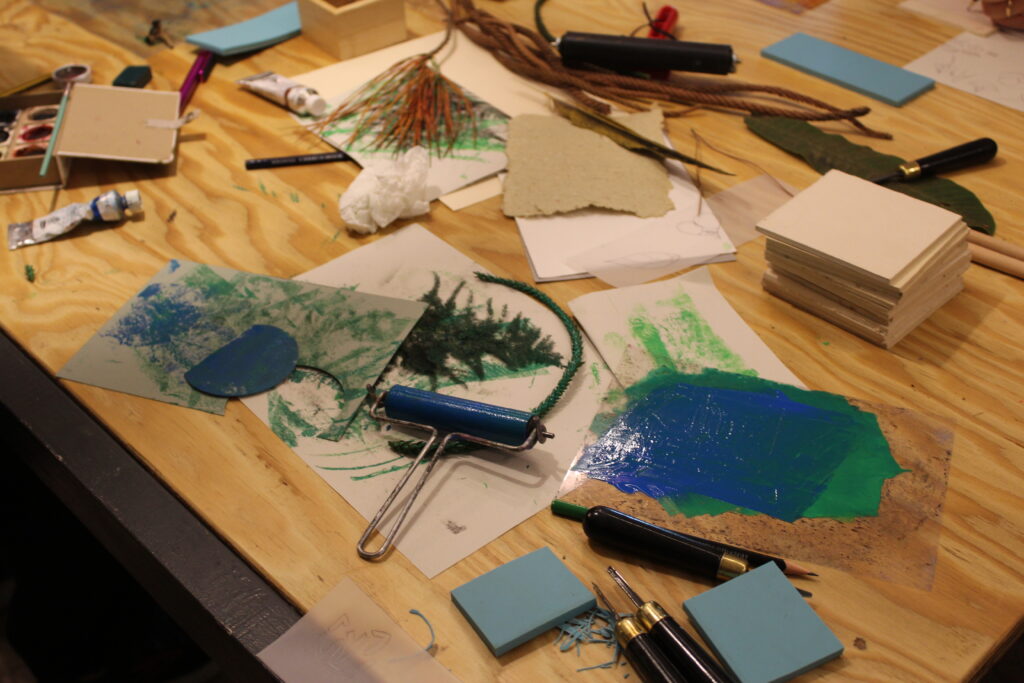
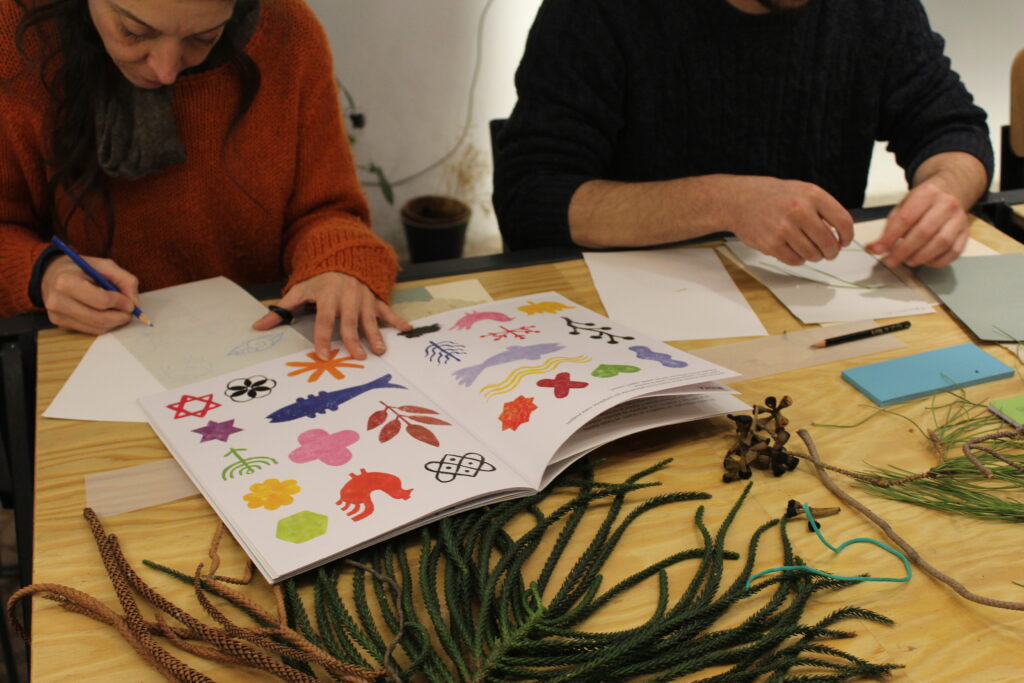
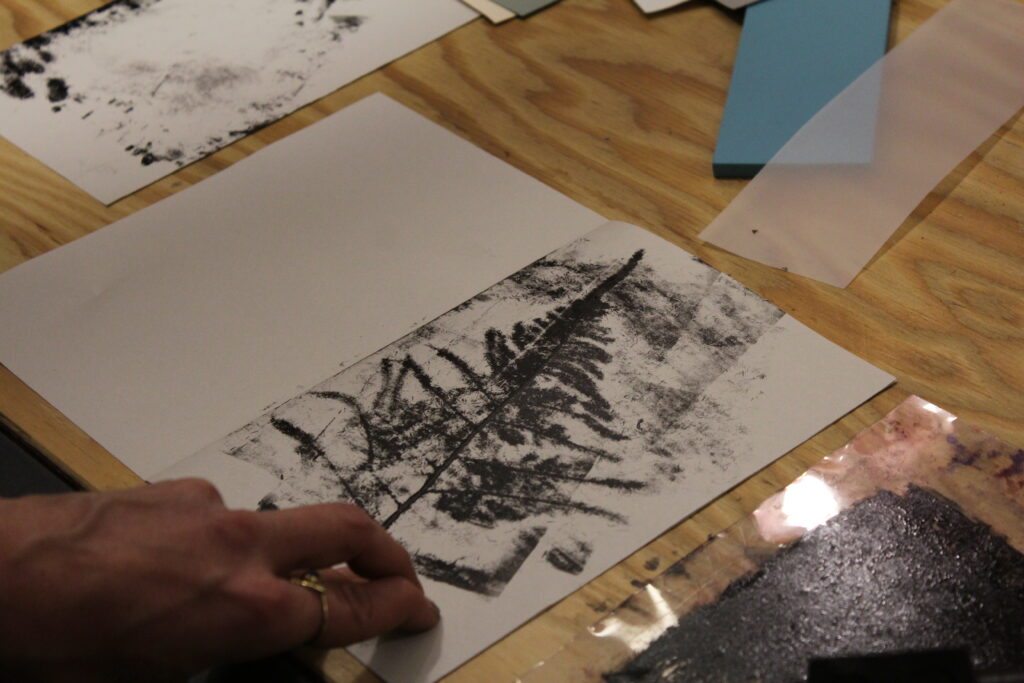
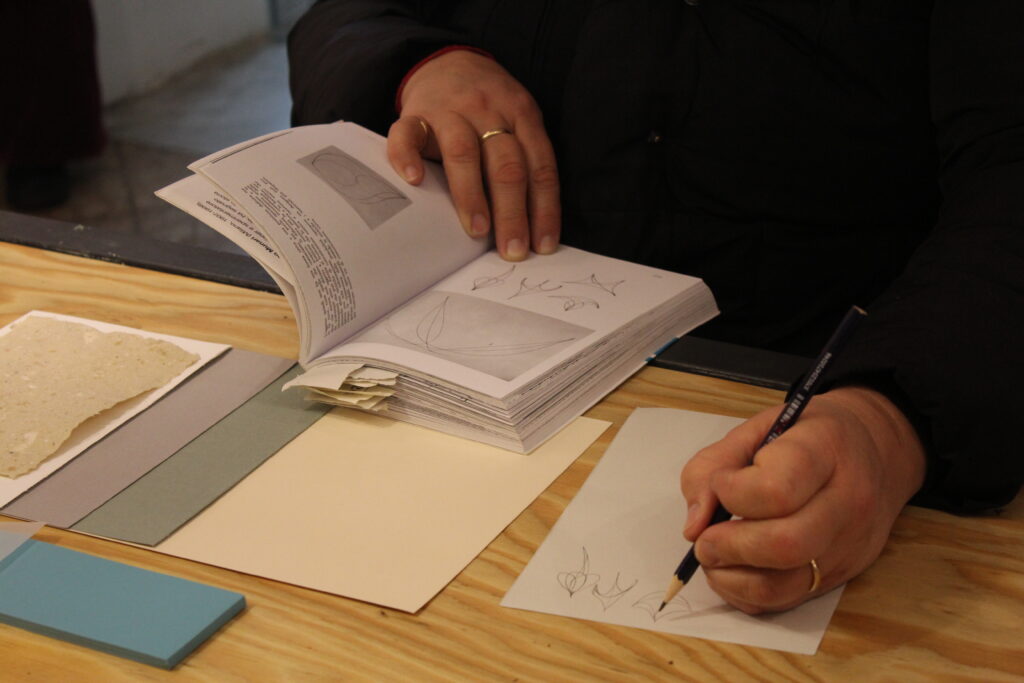
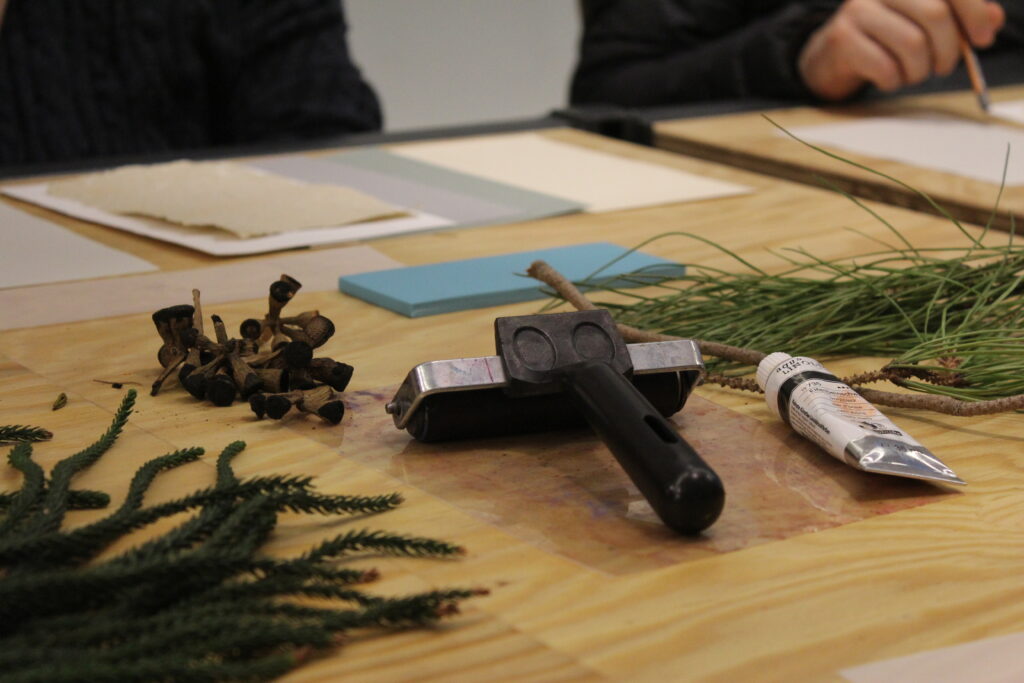
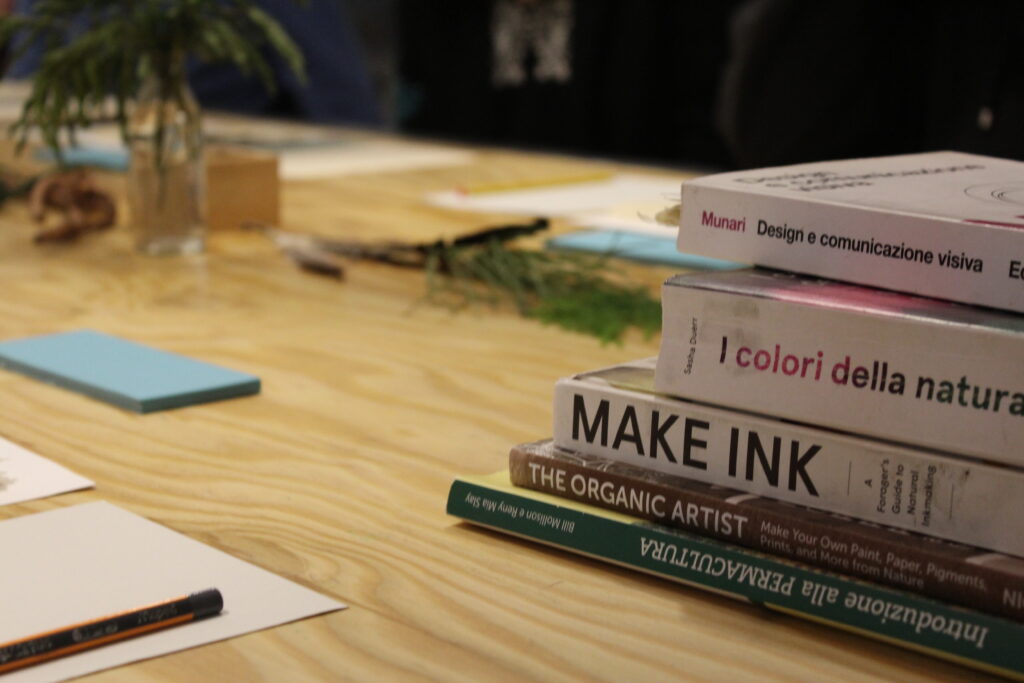
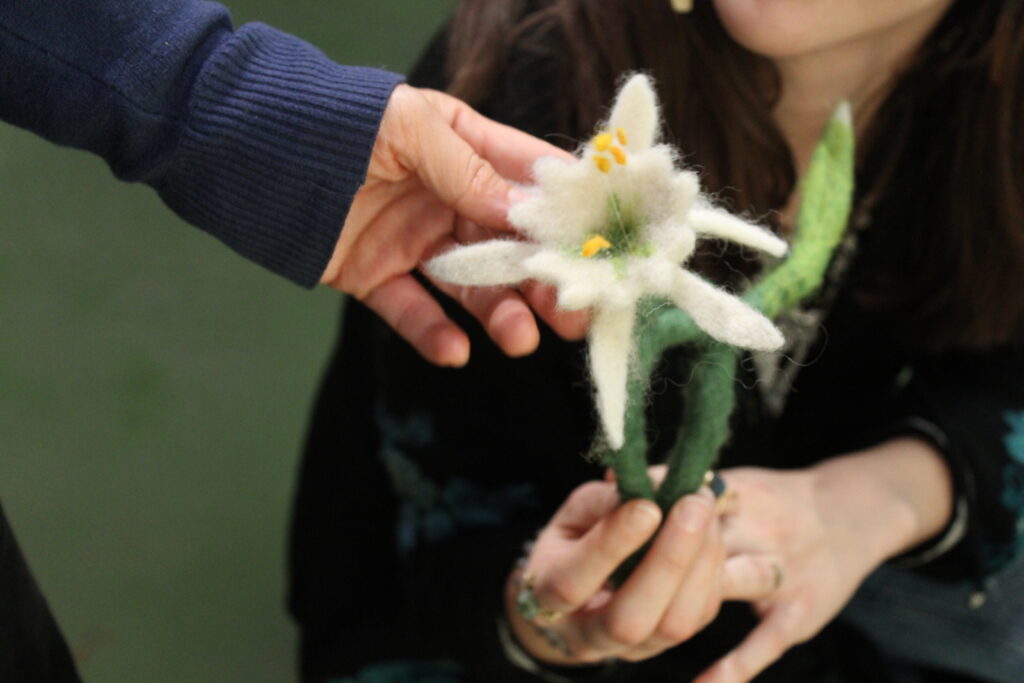
During the day at Radici, participants also took part in an artisanal natural printmaking workshop with Caterina, artisan and member of the Radici team.
In that workshop, they explored how to create their project identities using waste materials—natural and/or recycled.And this step was more powerful than it might seem.Because we often think sustainability is something “big”: a business model, a certification, a strategic plan, measurable impact.
Regenerating is not fixing. It is changing our gaze.
Regeneration is not just "repairing" what we have broken. It is a change of posture, of paradigm. It is to stop looking at the world as something to be exploited, optimized or "used well", and begin to feel it as a network of forces, relationships, vibrant matter — as Bennett would say — in which we are not the center, but a node among others.
And you, would you like to live a similar experience?
If you too would like to participate in a day like this — where you learn, experiment, compare yourself and feel part of something — take the Ecoprise course.
You will discover how to start a regenerative business model that does not just reduce the impact, but tries to create real value: human, ecological, community.
Because nature is not a place to go. It is a belonging to remember.
ECOPRISE- Future-oriented social entrepreneurship through Ecovillage Design was is an Erasmus+ co-funded project, born from the collaboration of the following organizations:
- CESIE (coordinator, Italy)
- LAND ( Italy)
- Iscte – Instituto Universitário de Lisboa (Portugal)
- GLOBAL ECOVILLAGE NETWORK OF EUROPEEV (Germany)
- UNIVERZITET U NOVOM SADU (Serbia)
- UAB THEORIA – The Critical (Lithuania)
- EUROTRAINING EDUCATIONAL ORGANIZATION (Greece)
- ReadLab Brussels (Belgium)
- CSI CENTER FOR SOCIAL INNOVATION LTD (Cyprus)
- GRANTXPERT (Cyprus)
- Mazoji Bendrija Zaliasis judejimas (Lithuania)
- ECQA GMBH (Austria)
For further information about ECOPRISE, please contact Alejandra Infante Velado, alejandra.infantevelado@impresasocialeland.org.